 United States

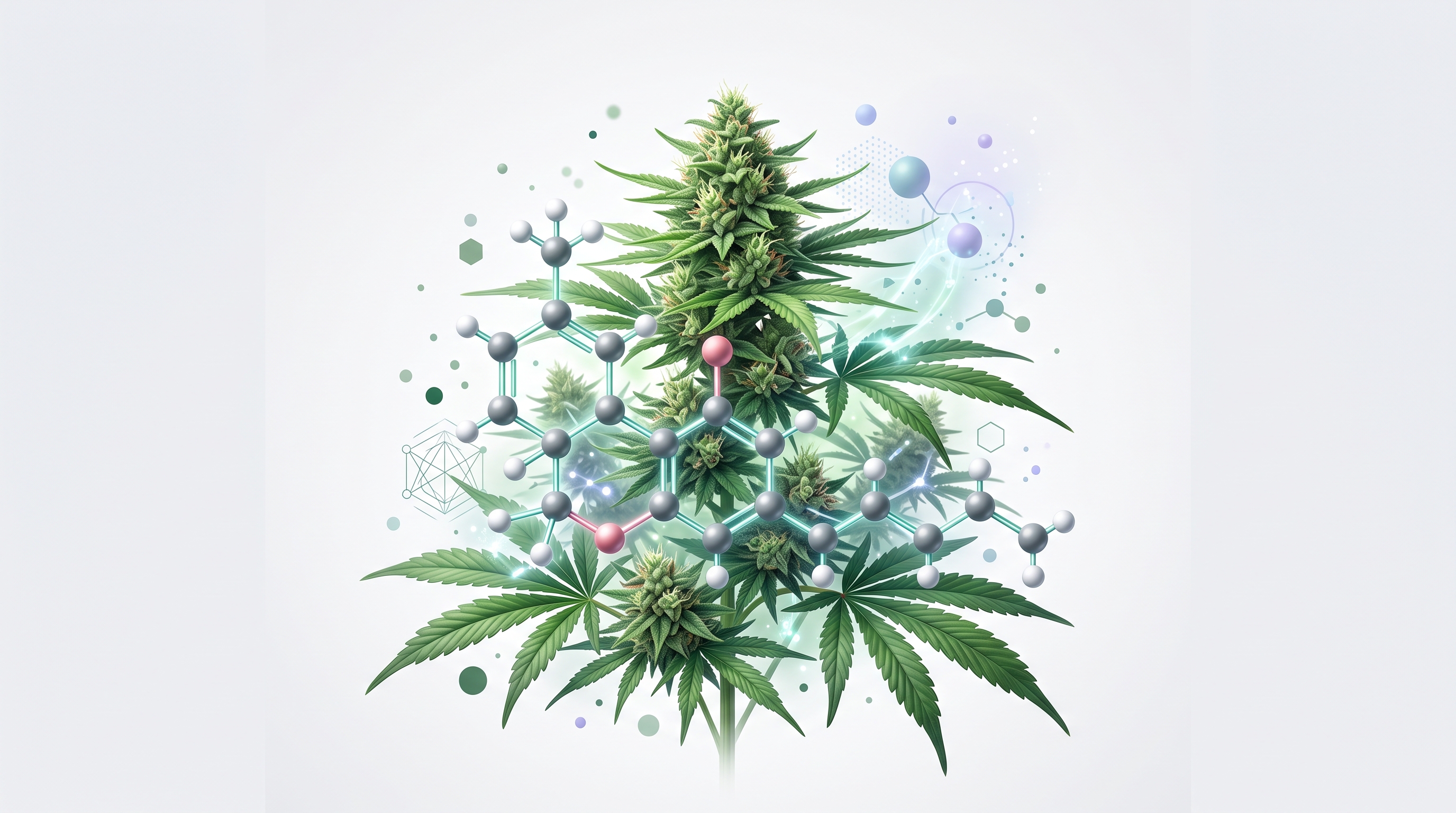
What is THC?
THC (tetrahydrocannabinol) is a naturally occurring compound found in cannabis plants. It is one of many cannabinoids, similar to CBD, but it has a very different effect on the body.
THC is best known for its psychoactive properties, which means it can alter perception, mood, and sensory experience.
How THC Works in the Body
THC interacts with the body’s endocannabinoid system (ECS), a system that helps regulate functions such as mood, memory, appetite, and perception.
Unlike CBD, THC binds directly to cannabinoid receptors in the brain, particularly CB1 receptors. This interaction is what produces its psychoactive effects.
Effects of THC
THC can affect individuals differently depending on:
- Dosage
- Tolerance
- Product type
- Individual body chemistry
Commonly reported effects may include:
- Altered perception of time
- Changes in mood
- Increased appetite
- Relaxation or euphoria
- Heightened sensory awareness
In higher amounts, THC may also lead to less desirable effects such as confusion, anxiety, or discomfort in some users.
Is THC Safe?
THC is widely used in various legal and regulated markets, but its effects can vary significantly from person to person.
While many adults use THC without serious issues, it is not suitable for everyone.
Possible side effects may include:
- Dry mouth
- Red eyes
- Impaired coordination
- Short-term memory changes
- Anxiety or paranoia in some cases
Individual response depends heavily on dosage, tolerance, and product potency.
Common Misconceptions About THC
THC is often misunderstood. Here are some common myths:
1. “THC is the same as CBD”
THC and CBD are both cannabinoids, but THC is intoxicating while CBD is not.
2. “THC affects everyone the same way”
People respond differently depending on tolerance, body chemistry, and product strength.
3. “More THC always means a better experience”
Higher potency does not always improve effects and can sometimes increase unwanted reactions.
4. “THC is harmful in all cases”
Effects vary widely, and experiences depend on context, dosage, and individual sensitivity.
THC vs CBD (Simple Breakdown)
- THC: Psychoactive, produces a “high,” directly binds to brain receptors
- CBD: Non-psychoactive, does not produce a “high,” interacts indirectly with the ECS
Both compounds come from cannabis plants but have distinct effects on the body.
Choosing THC Products (Beginner Awareness)
If THC is legal in your area and you are exploring products, it’s important to consider:
- Potency level (THC percentage or mg content)
- Product type (vape, edible, oil, etc.)
- Testing and product quality standards
- Starting with low amounts if inexperienced
What's Next?
Now that you have a better understanding of THC, consider exploring related topics such as CBD, cannabinoid profiles, third-party testing, and product quality standards. Building a broader knowledge base can help you better understand the products and terminology commonly discussed throughout the industry.
Want to learn more about the difference between CBD and THC?
Tags
#THC #Cannabinoids #CannabisEducation #THCFacts #CBDvsTHC