 United States

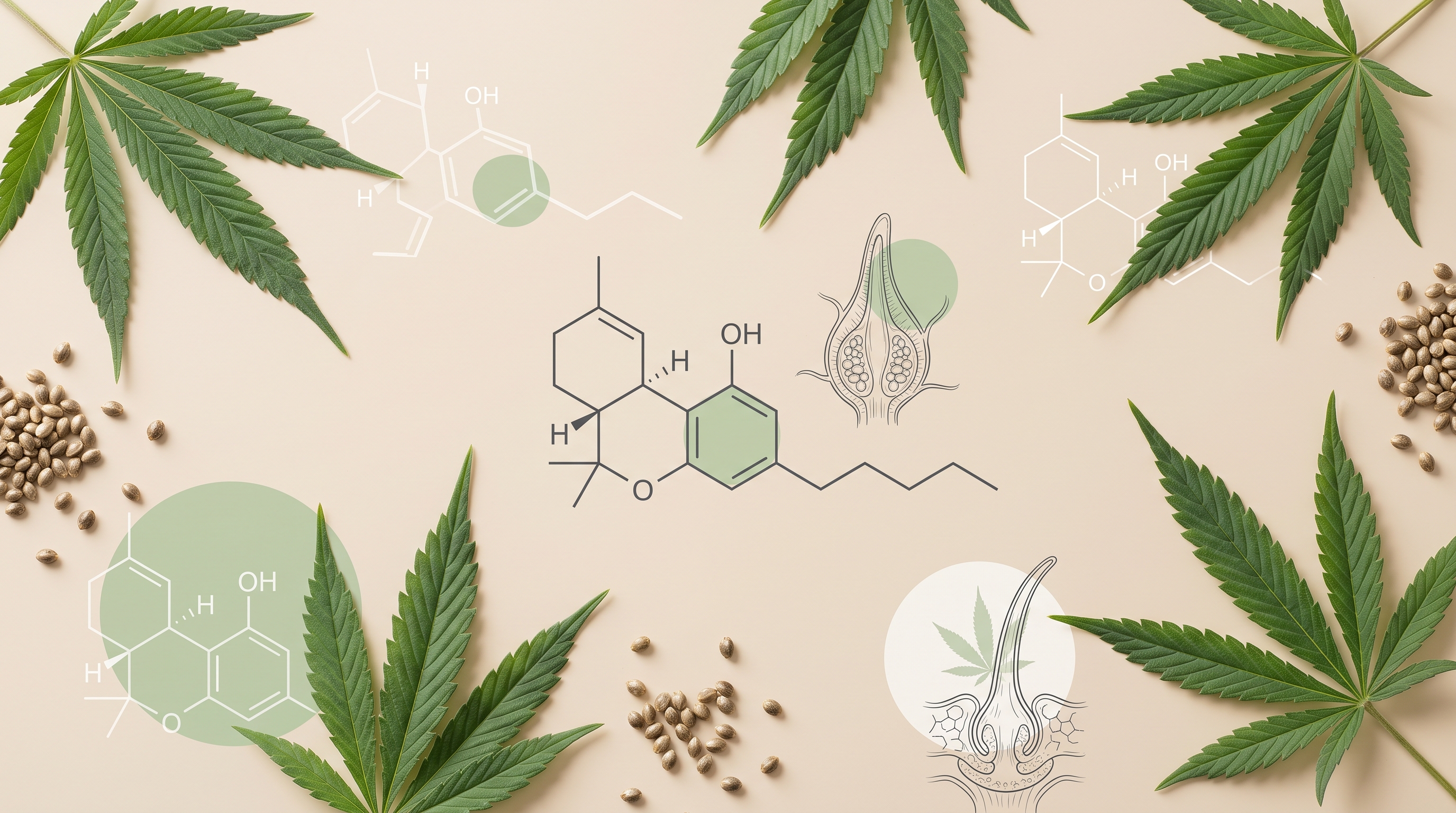
Understanding CBD: Safety, Effects, and Common Misconceptions
CBD has become one of the most widely discussed compounds in the wellness space. As interest grows, so does confusion about what it is, how it works, and whether it is safe.
This guide breaks down the basics in a clear, beginner-friendly way so you can better understand CBD without the hype or misinformation.
What is CBD?
CBD (cannabidiol) is a naturally occurring compound found in the hemp plant. It is one of many cannabinoids, which are plant compounds that interact with the body’s endocannabinoid system.
Unlike THC, CBD is not associated with intoxicating or “high” effects. This is one of the main reasons it is widely discussed in wellness products.
How CBD Works in the Body
CBD interacts with a complex system in the body known as the endocannabinoid system (ECS). The ECS helps regulate various internal processes such as:
- Sleep cycles
- Mood balance
- Appetite regulation
- General homeostasis (internal balance)
CBD does not directly bind strongly to cannabinoid receptors in the same way THC does. Instead, it is believed to influence the system indirectly.
Is CBD Safe?
CBD is generally considered to have a favorable safety profile based on current research, especially when used responsibly.
However, “safe” does not mean “without effects.”
Some people may experience:
- Dry mouth
- Drowsiness
- Changes in appetite
- Digestive discomfort in some cases
It’s also important to note that CBD may interact with certain medications, so professional guidance is recommended if you are unsure.
Common Misconceptions About CBD
CBD is often misunderstood. Here are some of the most common misconceptions:
1. “CBD gets you high”
CBD is not intoxicating and does not produce the same effects associated with THC.
2. “All CBD products are the same”
CBD products can vary widely in:
- Quality
- Source of hemp
- Extraction method
- Third-party testing
3. “More CBD equals better results”
x amounts are not always more effective. Response can vary depending on the individual.
4. “CBD works instantly for everyone”
Effects can differ from person to person. Some may notice changes quickly, while others may not.
CBD vs THC (Simple Breakdown)
- CBD: Non-intoxicating, widely used in wellness products
- THC: Intoxicating compound responsible for the “high” associated with cannabis
Both come from the same plant family but interact with the body differently.
Choosing a CBD Product (Beginner Tips)
If you are new to CBD, consider the following before choosing a product:
- Look for third-party lab testing (COA)
- Check ingredient transparency
- Understand whether it is full-spectrum, broad-spectrum, or isolate
- Start with lower amounts and observe how your body responds
Final Thoughts
As interest in CBD continues to grow, understanding what you're buying is just as important as understanding what CBD is. Product quality, labeling accuracy, and transparency can vary between brands, which is why it's important to look for companies that provide clear information about their products.
Before making a purchase, consider reviewing the product's Certificate of Analysis (COA) and other available testing information. Transparent brands make it easier for consumers to verify what's in a product and make informed purchasing decisions.
Taking a few extra minutes to review testing and product details can help you shop with greater confidence and choose products from brands that prioritize transparency.
Tags
#CBD #CBDEducation #HempEducation #Cannabinoids #CBDFacts